Pennsylvania Self-Exclusion Has Spread Far From Casinos
The casino didn't come to those counties. It came to the phones in them.
What the data shows
Blair County is the clearest example. Until this year there was no casino in Blair or in any county bordering it, Public Source reported. Across the decade before 2019, six Blair residents banned themselves from gambling. In 2025, 115 did, just under one in every thousand residents and the third-highest concentration in the state.
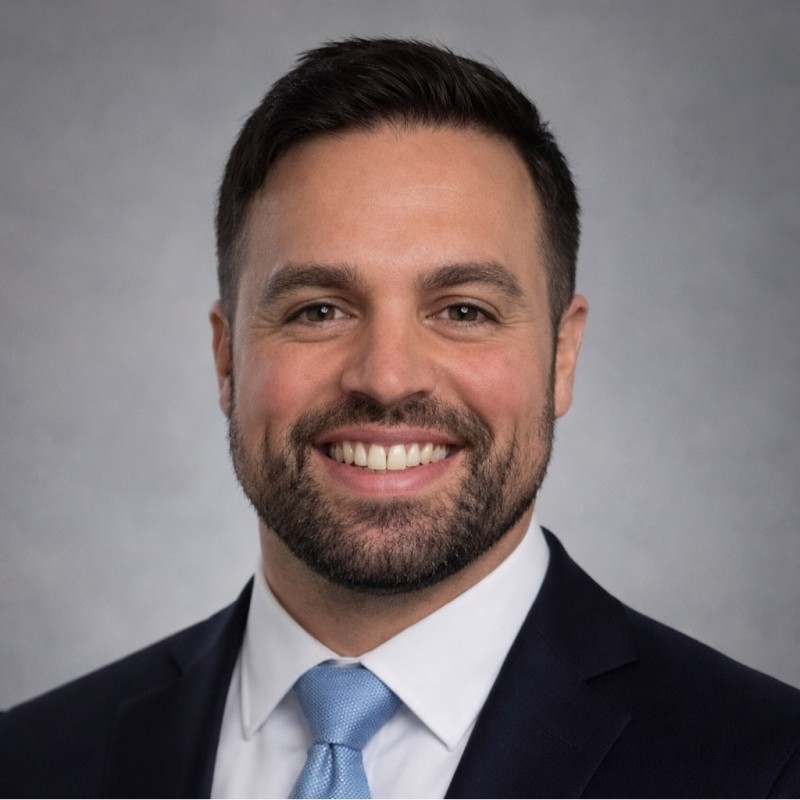
AI-generated visuals, voice and music. The person shown isn't real.
Take the 2-minute self-check →Watch · 41 seconds
The casino moved into your pocket.
Pennsylvania's gambling self-exclusion list used to come from casino counties. In Blair County, with no casino in it or next door, six residents banned themselves in the decade before online casinos opened in 2019, and 115 did in 2025 alone.
AI-generated visuals, voice and music. The person shown isn't real.
Read the transcriptHide the transcript
In Pennsylvania, people who ban themselves from gambling used to live near casinos. Then online casinos opened in 2019. Blair County had no casino, not even next door. In the ten years before, six people there signed up for the ban. Last year alone, a hundred and fifteen did. Elizabeth Lanza runs the Gaming Control Board's problem gambling office. She says a lot of them didn't gamble regularly until online gambling gave them access around the clock. She also says the ban isn't a cure-all, and it isn't treatment. The casino moved into your pocket. Help can be just as close. Cope Compass is free and confidential. Come find us.
How this was made: The visuals, the narrator's voice and the music are AI-generated. The man on screen is not a real person; he illustrates the story and is not telling his own. The facts are the article's: a Nov. 9, 2026 Pittsburgh's Public Source analysis of Pennsylvania Gaming Control Board self-exclusion data, which found that six Blair County residents self-excluded across the decade before 2019 and 115 did in 2025. The quoted words are Elizabeth Lanza's, director of the board's Office of Compulsive and Problem Gambling, as reported by Public Source.
"A lot of those people just didn't gamble on a regular basis until the online gambling came and now they have access to it 24/7," Elizabeth Lanza, director of the board's Office of Compulsive and Problem Gambling, told Public Source.
The people on the list have changed, too. By Public Source's count, about 53,000 people have banned themselves through the board's programs, roughly 46,000 of them Pennsylvania residents, with hundreds more from states including New Jersey, New York and Delaware. Self-excluders have become more rural and younger. In the first five years after casinos were legalized, men and women banned themselves at similar rates. By 2020, it was about five men for every two women.
Pennsylvania's own helpline and survey numbers, which we covered when lawmakers formed a problem gambling caucus in October, point the same way.
Two things are true about the rise
These numbers aren't a pure measure of addiction, and Lanza said so. People used to have to go to a casino to ask for a ban. In May 2019, ahead of the first online casino launches that July, the board opened an online sign-up for a new iGaming list, and today anyone can enroll online. Some of the increase is people reaching a door that used to be hard to get to.
So the rise means two things at once. More people are in trouble in places that distance used to protect, and more of them are doing something about it. A self-exclusion is a decision, made in a clear moment, that the next bet shouldn't be possible.
Why online casino play hits harder
Pennsylvania and West Virginia are two of only eight states with legal online casino games, according to Matthew Mullis, a graduate student at West Virginia University's Center for Gaming Research and Development. Mullis told Public Source that losses from these games are greater on average than from online sports betting, partly because people play faster and the odds are worse.
"You can spend hours just in your bed doing the slots," Mullis said. "And it's pretty anti-social."
That's the private, nonstop play we described in how slots apps keep people spinning: a bet every few seconds, alone, with no closing time. Distance from a casino used to be friction. The phone removed it. Across the river, New Jersey's online casinos took in a record $287.4 million in October 2026, more than all nine Atlantic City casino hotels.
Early numbers from West Virginia hint at who carries the losses. Mullis has been studying about 43 million monthly bets at one of that state's largest online casinos. In the period studied, 5% of roughly 16,500 players placed 70% of the bets and produced 90% of the revenue. The top 1%, about 165 people, produced about half. These are preliminary findings from a single casino, and Public Source notes more study will be needed. Connecticut's state-commissioned study found revenue similarly concentrated among players at risk.
"It is not treatment"
Lanza believes in self-exclusion. In a June podcast, she said the programs have helped more than 30,000 people. She's also clear about their limits. "It is not a cure-all. It is not treatment," she said. "We always do recommend that individuals seek some type of either self-help or more formal treatment when they enroll in self-exclusion. But it has been a very successful tool."
Public Source sums up the research this way: people with gambling problems are less likely to gamble during an exclusion if they're also getting formal help, and self-excluders report fewer financial problems and better quality of life either way. The studies are small and observational, and they don't all agree. A 2010 study of 113 Missouri self-excluders found that those who added treatment or self-help groups "had more positive outcomes than those who did not." A 2015 study of 86 gamblers found everyone improved, whether they self-excluded, got counseling or both, and that "outcomes did not differ for self-exclusion combined with counselling."
The case for adding help doesn't rest on any one study. Gambling disorder (DSM-5 312.31, ICD-10 F63.0) is defined in part by "repeated unsuccessful efforts to control, cut back, or stop gambling." A ban takes the licensed apps off the table. It does nothing about the preoccupation, the urge after a bad day or the pull to chase what's gone. And bans leak. In the Missouri study, half of the self-excluders who tried to get back into a casino got in. A Swedish study cited by Public Source found 38% to 49% of people who'd banned themselves kept gambling. The nine DSM-5 criteria show what treatment works on.
The ban buys time. Help is what makes that time count.
What this data can't tell us
- A self-exclusion isn't a diagnosis. The list counts people who asked to be banned. Research cited by Public Source suggests only 1 in 200 to 1 in 6 people with a gambling problem ever enroll, so the list undercounts harm.
- Easier sign-up muddies the trend. Since 2019, before-and-after comparisons partly measure access to the tool.
- The board's data has had errors. Public Source found a mistake in how ages were reported that, for some early years, made young self-excluders look absent. The board has fixed it.
- Statewide totals vary. Trade reports on the board's latest annual report disagree with each other on new enrollments, so we haven't used them.
- The West Virginia figures are preliminary and come from one online casino.
How Pennsylvania's lists work
Pennsylvania doesn't have one list. The Gaming Control Board runs four:
- iGaming: online casino games and online sports betting on Pennsylvania-licensed sites and apps.
- Casino: Pennsylvania casinos and retail sportsbooks.
- Video gaming terminals: the machines at qualified truck stops. The board notes these aren't part of iGaming.
- Fantasy contests.
Two details matter more than they look:
- The online ban ends on its own. iGaming, video gaming terminal and fantasy exclusions "expire at the conclusion of the selected ban period," the board says. A casino ban stays in place until you ask to be removed. You can extend a ban before it ends, but you can't shorten one after you enroll.
- Some doors aren't covered. The Pennsylvania Lottery runs its own iLottery self-exclusion, separate from the board's lists. Prediction markets are federally regulated and fall outside the program, Public Source notes, and offshore sites answer to no Pennsylvania list. We've laid out how to close that gap.
Lock the door, then get help
- Sign every list that matches how you gamble, and choose the longest term you can. Why the length matters.
- If you pick a fixed term, put the end date on your calendar, with a reminder a month ahead to extend it. A ban that lapses unnoticed is an open door.
- Block what the list can't reach. Block gambling apps and sites on your phone, including prediction markets and offshore casinos, and give the passcode to someone you trust.
- Get help the same week. The board points people to state-funded one-on-one counseling and Gamblers Anonymous. Our Pennsylvania page lists both in one place, and GA meetings run online and in person. Not sure where you stand? Try the private self-assessment.
- Expect the first weeks to be uncomfortable. Restlessness and irritability when you stop are part of the diagnosis. They don't mean the ban failed. What withdrawal feels like, and what helps.
If you're in crisis tonight, go to urgent help now.
Self-exclusion locks the door. Recovery is what you build behind it. Join Cope Compass, free and confidential, to make a plan and find Pennsylvania treatment near you.
Sources
- Pittsburgh's Public Source: "Gambling problems in Pa. used to be near casinos. Now they're everywhere." (Oliver Morrison, Nov. 9, 2026): the county analysis of Gaming Control Board self-exclusion data, Blair County figures, statewide totals, demographic shifts, the age-reporting error, every quotation from Elizabeth Lanza and Matthew Mullis, the West Virginia preliminary data, and the summary of self-exclusion research including the Swedish figures and enrollment rates.
- Pennsylvania Gaming Control Board: "PA Gaming Control Board Launches Self-Exclusion Program for Online Gambling" (May 28, 2019): launch of the online iGaming list covering online sports wagering and casino-like games, its online sign-up, and the one-year, five-year and lifetime options.
- Pennsylvania Gaming Control Board: "PA Gaming Control Board Reached 20,000 Enrollment Requests for its Casino Self-Exclusion Program" (June 7, 2023): casino list coverage of casinos and retail sports wagering locations, state-funded counseling and Gamblers Anonymous referrals, and the separate Pennsylvania Lottery iLottery self-exclusion program.
- Pennsylvania Gaming Control Board: Self-Exclusion Application Enrollment Instructions (2024): the four enrollment options, exclusion lengths, the fantasy contest range of 1 to 99 years, the rule that a ban period can be extended but not otherwise changed, the note that video gaming terminals aren't iGaming, and the statement that participation isn't shared with other state agencies.
- Pennsylvania Gaming Control Board: Responsible Play, Self-Exclusion (accessed Nov. 13, 2026): automatic expiration of iGaming, video gaming terminal and fantasy exclusions, casino removal by request, extensions, and enrollment methods.
- Public Gaming Research Institute: "Around the clock online gambling now available in Pennsylvania" (July 18, 2019): the first Pennsylvania casinos operating online casino games in July 2019.
- Nelson SE, Kleschinsky JH, LaBrie RA, Kaplan S, Shaffer HJ. "One Decade of Self Exclusion: Missouri Casino Self-Excluders Four to Ten Years after Enrollment." Journal of Gambling Studies, 2010;26(1):129-144: 113 self-excluders; better outcomes with added treatment or self-help groups; half of those who attempted to enter a casino were able to.
- Hing N, Russell A, Tolchard B, Nuske E. "Are There Distinctive Outcomes from Self-Exclusion? An Exploratory Study Comparing Gamblers Who Have Self-Excluded, Received Counselling, or Both." International Journal of Mental Health and Addiction, 2015;13(4):481-496: 86 participants; all groups improved; no difference for self-exclusion combined with counselling.
- DSM-5 Diagnostic Criteria: Gambling Disorder (hosted by Connecticut DMHAS): wording of the criterion on repeated unsuccessful efforts to stop.
Questions people ask
Why is gambling self-exclusion rising in Pennsylvania?
Self-exclusions have surged since Pennsylvania's first online casinos opened in 2019, and they've spread to counties far from any casino, according to a November 2026 Public Source analysis of Gaming Control Board data. Blair County went from six self-exclusions across the decade before 2019 to 115 in 2025. Elizabeth Lanza of the board's Office of Compulsive and Problem Gambling points to 24/7 online access, and to easier online sign-up, which means the rise also reflects more people reaching for the tool.
How do I self-exclude from gambling in Pennsylvania?
The Pennsylvania Gaming Control Board runs four separate lists: iGaming (online casino games and online sports betting), casino (casinos and retail sportsbooks), video gaming terminals and fantasy contests. For the first three you choose one year, five years or lifetime, and the fantasy list takes a number of years up to 99. You can enroll online through the board's Responsible Play site or in person at a board office. The Pennsylvania Lottery's iLottery self-exclusion is separate.
Does Pennsylvania self-exclusion expire?
The iGaming, video gaming terminal and fantasy exclusions expire on their own at the end of the term you chose. A casino exclusion stays in place until you ask to be removed. You can ask the board to extend a ban before it ends, but you can't shorten one after you enroll, so if you pick a fixed term, put the end date on your calendar.
Is self-exclusion enough to stop gambling?
It's a strong first step, and it works best with help. Elizabeth Lanza, who directs the Gaming Control Board's Office of Compulsive and Problem Gambling, has said, "It is not a cure-all. It is not treatment," and the board recommends self-help or formal treatment alongside it. A 2010 study of Missouri self-excluders found those who added treatment or self-help groups had more positive outcomes, though not every study agrees. Bans also leak, so block apps on your phone and get support the same week.
Related articles
Find help near you
Cope Compass is free.
Real-time support that learns your patterns and adapts to your recovery over time. The more you use it, the better it understands your triggers.
Try it now